
This is how a Special Needs School is Redefining Inclusive Education

Before the school day officially starts at Thuthukani Special School and Resource Centre, the hall is already filled with singing and sign language practice. This is how teachers, therapists, and volunteers set the tone for the day ahead.
The school has 445 learners with severe and profound intellectual disabilities, many live with conditions such as autism, cerebral palsy, sensory impairments, or physical disabilities. Teaching here is patient, adaptive, and deeply personalised.
Across South Africa, children with special educational needs and disabilities navigate a system that is stretched and uneven. Access remains limited, and those who find schools are often assessed against standards that do not reflect their realities.
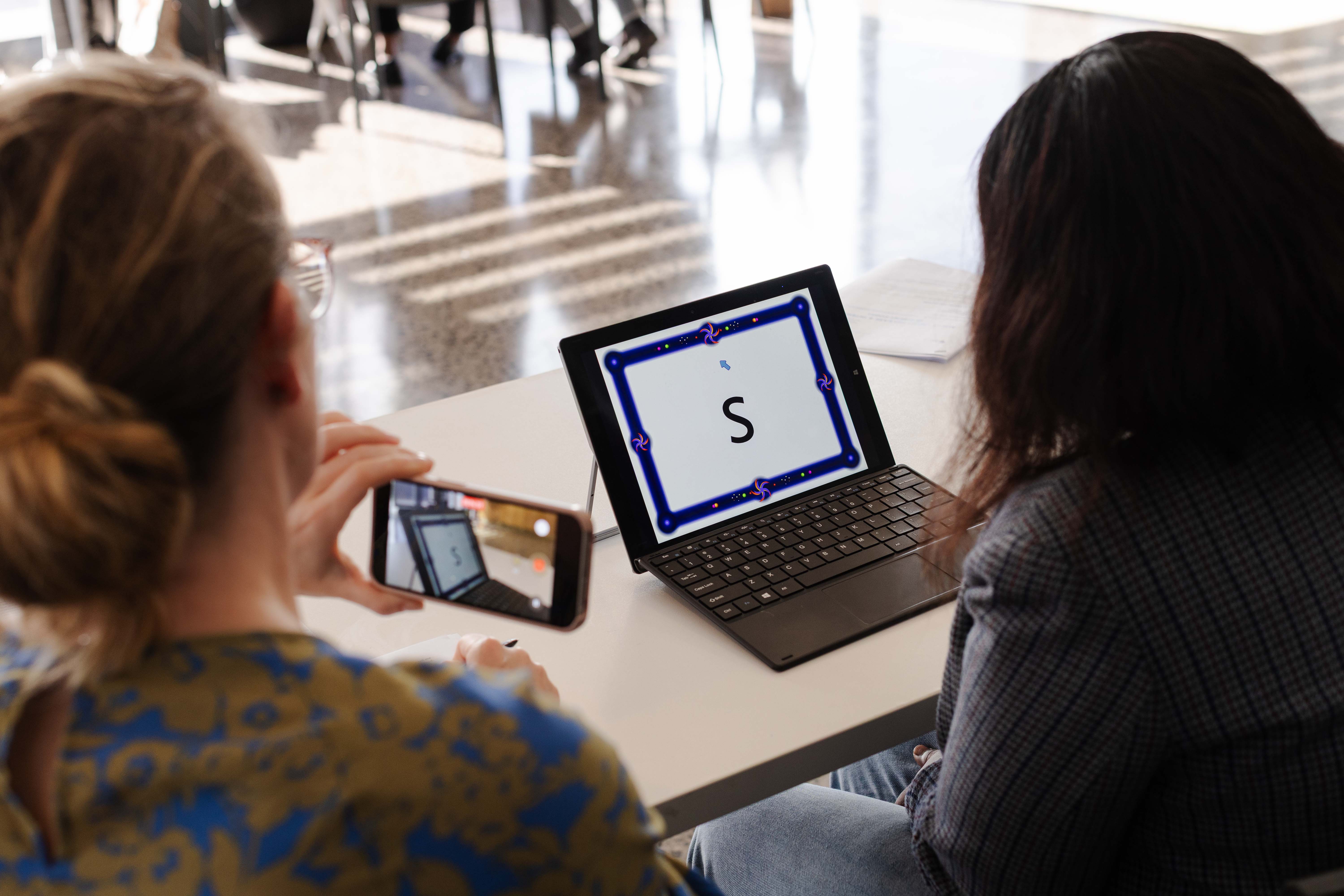
Injini’s researchers visited the school in Empangeni, KwaZulu-Natal. As Phemelo Mabuse, Research Analyst at Injini, reflects, "Engaging directly with schools like Thuthukani ensures that solutions are shaped by lived realities rather than distant assumptions."
A School Designed Around Reality
Most of the learners come to school using public transport, and many families depend on social grants. “Due to our rural location, we sometimes don’t have electricity, struggle with water supply, and we don’t have connectivity beyond limited internet access in our office,” says Marthie Combrinck, Thuthukani Special School Principal.
These challenges are part of their lives; however, what unfolds inside the school is driven by intention and not by challenges.
Learning is designed to connect directly to everyday life. Music, games, storytelling, and movement are central to how concepts are introduced and understood. Inclusion is visible in action as learners participate in sport with mainstream schools and perform in community events. The intention is to build confidence and prepare learners to participate in society, while actively reshaping how society sees them.
“What stood out most was the intentionality woven into every part of the school day. From the morning assembly to classroom interaction, every element is designed to meet learners where they are,” says Katherine Tredinnick, Research Lead at Injini.
Innovation in Practice
Walk into any classroom at Thuthukani and the first thing you notice is that every learner’s needs are adapted to. Innovation here is defined by how teaching adapts to each learner and not by technology.
Lessons unfold through song, movement, and storytelling. Abstract ideas are made tangible through objects, role play, and peer interaction. For younger learners, play-based spaces simulate familiar environments such as homes, shops, and transport settings, creating opportunities to practise real-life situations in a safe and supportive way.
"The most meaningful innovation lies in the educators' adaptive teaching methods and their ability to personalise learning,” says Phemelo. “Thuthukani challenges the notion that effective special needs education is dependent on expensive tools or highly specialised infrastructure.”
With learners coming from diverse language backgrounds, and many without functional speech, the school has embraced a total communication approach. Learners are supported to use methods that work best for them, whether through speech, sign language, gestures, or communication boards. Practised and reinforced daily across the school community, this approach has created a shared understanding that builds connection and belonging among learners, staff, and families.
Resourcefulness runs throughout the school. Teaching materials are often handmade from recycled or low-cost items. A shared computer supports lesson preparation across multiple teachers, while a small number of projectors are used to bring experiences to learners who may have limited access to them outside of school.
Creating Opportunities for Life After School
Through the Amathuba programme, learners in their final year at Thuthukani, further develop practical skills through weaving, sewing, crafting, and upcycling materials into usable products. This creates pathways for income generation while building confidence and a sense of purpose for learners who may face barriers entering the formal labour market.
Selected learners also participate in what the school calls “external Amathuba,” where they spend time each week in local businesses such as guesthouses, hotels, grocery stores, laundromats, and restaurants. These supervised workplace experiences expose learners to real working environments and have, in some cases, led to future employment opportunities.
Learners with the potential to enter the open labour market with support remain at the school for an additional skills year, where they are taught workplace soft skills alongside practical training in gardening, sewing, weaving, domestic cleaning, and traditional Zulu crafts. After completing oral and practical assessments, graduates receive starter packs linked to their chosen skills, allowing them to continue working within their communities.
A sheltered employment facility on the school premises extends this support further. Over 160 adults with disabilities work there daily, sorting recycling, completing structured tasks, and participating in a community of peers.
“That kind of continuity, offering former learners a safe and purposeful space beyond school, is genuinely innovative and deeply moving,” says Katherine.
People, Purpose, and Possibility
Teachers, therapists, 44 volunteers, and support staff carry a sense of purpose that shapes the culture of the school and sustains it through ongoing challenges.
Staff regularly extend their roles beyond the classroom through home visits, family support, and knowledge sharing with other schools, NGOs, and early childhood development centres. These connections strengthen the relationship between the school and the communities it serves.
In response to persistent staffing constraints, the school developed a structured volunteer programme. Community members volunteer and receive practical training and workplace experience. Over time, they become part of a network that carries knowledge and awareness of disability inclusion into the broader community.
“When you work here, you understand that the learner is the priority. Every person plays a role in shaping lives, and that sense of purpose carries us through even the most difficult days,” says Principal Combrinck.
Thuthukani Special School demonstrates that innovation can emerge from constraint when people are genuinely committed to understanding and responding to the needs around them.
Strengthening What Already Works
More than 350 children are currently on the waiting list to join the school, and over half of them are not enrolled anywhere. This number shows that the community recognises the school's value.
The school's long-term vision is clear and considered. It includes formal learnerships for volunteers, enabling them to gain qualifications for the training they already receive, as well as a teacher and community development centre where 45 years of accumulated expertise can be shared with universities, businesses, and other schools.
Katherine notes: "What Thuthukani has built works because it is rooted in a strong understanding of their learners and a culture of care developed over years. Any technology or partnership introduced needs to enhance that, not override it. The right approach is to start by listening, then work alongside staff to understand where support could genuinely help.
Thuthukani Special School is already doing the work. The invitation is not to arrive with solutions but to arrive with genuine curiosity to understand the context before designing for it.
In a landscape often defined by what is lacking, Thuthukani offers a different perspective that the future of inclusive education does not always need to be invented. In many cases, it already exists, and the opportunity lies in recognising it, resourcing it, and allowing it to grow.
Imagine what becomes possible when what already works is supported with intention.
.png)
.png)